 Policyholder Pulse


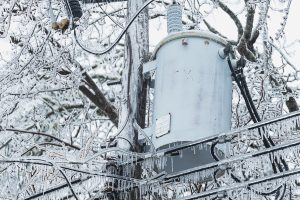 Over the weekend of January 24-25, 2026, Winter Storm Fern struck a vast swathe of the Eastern United States and Canada. The storm is likely to have had—and for some days to come will continue to have—a vast impact on businesses, governments and a host of human activities. According to preliminary estimates, the economic impact may exceed $100 billion, involving physical property damage, business interruptions, government-ordered closures, power outages, widespread airline cancellations (including ripple effects beyond the weather-affected region), supply chain interruptions, and interruptions of business and governmental services. Burst pipes, roof collapses from snow load, ice dams, prolonged power outages and inaccessible facilities can all lead to significant property damage and business interruption.
As commercial policyholders begin recovery efforts, early and informed action is critical to preserving coverage and maximizing insurance recovery.
1. Mitigate Damage While Preserving Evidence
Most commercial property policies require insureds to take reasonable steps to protect property from further damage. Following a winter storm, and depending on the type of damage, this may include:
- Shutting off water systems to prevent additional pipe failures
- Temporarily repairing roofs or clearing snow and ice, where safe
- Relocating inventory or equipment threatened by water intrusion or other hazards
Such mitigation costs are often covered by commercial insurance policies and should be tracked and documented carefully.
At the same time, policyholders should preserve evidence of damage wherever feasible. Components such as burst pipes, failed sprinkler heads or collapsed roofing materials may later become central to causation disputes.
2. Document Physical Damage and Operational Disruption
Winter storm damage can evolve rapidly as temperatures fluctuate, making early documentation especially important. Commercial policyholders should:
- Photograph and video all visible property damage.
- Document snow accumulation, ice conditions and interior water intrusion.
- Maintain a contemporaneous timeline of events, including power outages, system failures, and shutdown decisions.
- Preserve all records of communications and contracts with third parties hired to mitigate or prevent storm damage.
Insurers frequently attempt to attribute losses to wear and tear, deferred maintenance or long-term conditions rather than a covered winter storm event. Detailed documentation can help rebut those arguments.
3. Track Business Interruption and Extra Expense Losses Early
Even where physical damage appears limited, winter storms can cause substantial time-element losses due to power outages, unsafe conditions or lack of access to facilities. Policyholders should:
- Track lost revenue and continuing expenses from the first day of disruption.
- Document extra expenses incurred to continue operations or accelerate reopening.
- Preserve communications with utilities, landlords, suppliers and customers.
Coverage may be available even where operations were suspended due to access restrictions or civil authority orders, rather than direct physical damage alone.
4. Provide Prompt Notice Under All Potentially Applicable Coverages
Late notice is a common insurer defense, particularly where freeze-related damage or operational losses develop over time. Commercial policyholders therefore should provide notice of loss as soon as practicable—even if the full extent of damage or downtime is not yet known. Notice should be considered not only under property coverage, but also under other types of potentially applicable coverage, including:
- Business interruption
- Extra expense
- Civil authority
- Contingent business interruption (supplier or customer impacts)
5. Anticipate Common Winter Storm Coverage Disputes
Winter storm claims often give rise to predictable insurer positions, including:
- Allegations that pipe failures resulted from inadequate heat or maintenance
- Attempts to limit coverage for roof damage caused by snow or ice load
- Disputes over whether water damage was sudden and accidental
- Reliance on exclusions or sublimits applicable to water, ice or collapse
Policyholders should carefully review policy language, endorsements and exclusions, and should not assume an insurer’s initial coverage determination is correct or complete.
6. Proceed Carefully with Proofs of Loss and Insurer Requests
Insurers often request proofs of loss, recorded statements, or examinations early in winter storm claims. These submissions can shape the trajectory of the claim and future disputes. Policyholders should ensure that any submissions:
- Are consistent with policy language
- Avoid speculation about causation or scope
- Preserve flexibility where damage or losses are still developing
- While navigating this process, be careful not to concede the accuracy of insurers’ initial characterizations of events—especially any that could have the effect of eliminating coverage.
7. Consider Engaging Coverage Counsel Early
Winter storm claims can quickly escalate into disputes over causation, valuation, and coverage scope. Early involvement of experienced coverage counsel, forensic experts, or claims professionals can help commercial policyholders protect their rights and avoid missteps before insurer positions harden.
Conclusion
Winter storms are often viewed as routine seasonal events, but for commercial policyholders, the resulting losses can be severe and complex. By acting promptly, documenting thoroughly and understanding policy requirements, businesses can significantly improve their ability to recover under their insurance programs and avoid common winter storm claim pitfalls.
Even sophisticated commercial policyholders, working closely with trusted business and legal advisors, may not immediately identify every potentially applicable coverage or policy that could respond to a winter storm loss. Insurance programs often involve multiple forms, endorsements, and time-element coverages that are triggered in different ways depending on the facts. Experienced insurance recovery counsel can complement existing legal and risk-management teams as they evaluate which policies may apply and ensure timely, coordinated notice.
RELATED ARTICLES
Southern California’s Wildfire Disaster: Immediate Insurance Considerations