





Contra proferentem is a foundational legal principle with particular importance in insurance law. It mandates that any ambiguities in an insurance policy are construed against the insurer and in favor of the insured. The doctrine recognizes that insurance policies generally are contracts of adhesion, in which the insurer wields the “power of the pen,” and the insured is invited to accept the terms of the pre-written agreement with little to no alteration. Contra proferentem mitigates the inherent inequality of an arrangement where insurers generally have sole drafting authority and insureds, often with limited bargaining power, must accept the insurers’ terms as written. By resolving ambiguities in those terms against the insurer, courts are able to counterbalance some of this inequity and find coverage for policyholders.


 Over the past decade, technological innovations have quickly transformed how companies operate their IT infrastructure. Traditional on-site servers and hardware have often been replaced or supplemented by off-site solutions such as cloud computing, SaaS (Software-as-a-Service), virtualized servers, or “Bring Your Own Device” (BYOD) programs. These developments allow a business’s IT operations to be spread across a complex IT ecosystem rather than confined to physical devices located on its premises. They have the potential to reduce costs while expanding the computing capabilities at a company’s fingertips.

 Just as the oilfield fuels the modern economy, master service agreements (MSAs) fuel the modern oilfield. But while almost every MSA contains indemnity and insurance clauses, experienced oilfield lawyers will advise their clients that no two are identical. Determining how these unique contractual provisions apply to losses and interact with available liability coverage is a nuanced process that frequently results in litigation.

 In the last few years, the video game industry has been hit with
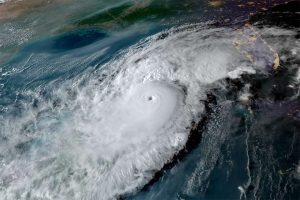 In the aftermath of two powerful hurricanes the process of assessing the damage and rebuilding begins. Businesses suffered billions of dollars in losses during hurricanes Helene and Milton, both in physical property damage and disruption of their business (i.e., lost profits). That is precisely why businesses purchase property and other commercial insurance—to indemnify them when disaster strikes. However, it is not uncommon for businesses to be unpleasantly surprised when they present a claim to discover that their insurers are unwilling to stand behind the full insurance coverage they promised. This is particularly so in the case of a substantial loss, and even more so in the aftermath of a wide-area catastrophe—such as a hurricane or other natural disaster—because such catastrophes have negative repercussions on insurers given the number of impacted policyholders.



 In what was likely a shock to coal-fired electric utilities, the U.S. Court of Appeals for the District of Columbia Circuit held on June 28, 2024, that proposed decisions by the U.S. Environmental Protection Agency in January 2022—prohibiting coal-fired power plants from closing coal ash impoundments where coal ash is in contact with groundwater—were a “straightforward application” of a previously promulgated agency rule. In