Policyholder Pulse





Many U.S. businesses face income losses from theft, vandalism and resulting curfew orders, which have affected numerous cities in recent days.
Commercial property insurance policies may provide coverage for these losses, which are and should be treated as a separate claim from pandemic-related losses. Property policies cover physical damage to property and, usually, also provide coverage for business interruption losses if certain conditions are met. Whatever position insurers may take on contamination from COVID-19, they cannot plausibly contest that shattered windows, broken fixtures and stolen merchandise are physical loss or damage. And, while insurance policies vary, typically there is business interruption coverage for “Civil Authority” orders, such as curfews requiring businesses to close. Nearly always, such coverage requires the existence of property damage within some limited geographic radius surrounding the policyholder’s location. This often ranges from one to 10 miles. So if your business is closed by a curfew order and, for example, a building down the block had its windows shattered by thrown bricks, or worse, there is every reason to submit a claim. Bear in mind that, depending on the wording of your policy, the trigger for Civil Authority coverage may not be limited to damage to buildings: it may apply to property within buildings and property in the street, potentially including vandalized vehicles. Think outside the box (store).
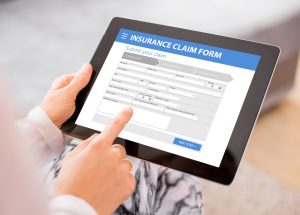 The profound impact of COVID-19 leading businesses to file first-party insurance claims is now well known. Further, insurance companies are systematically pushing back on potential coverage for COVID-19, with some issuing blanket coverage denials without investigation. In other words, this is not an ordinary claims environment. Against this backdrop, many policyholders are facing what may be their first significant insurance claim. This primer will familiarize such policyholders with the initial steps of the first-party insurance claims process. Whether a potential claim is related to COVID-19 or not, understanding the claims process is the best first step towards avoiding pitfalls and maximizing chances of recovery.
 There has been a drumbeat of
  Imagine your organization has suffered significant property damage and interruption to your business as a result. The cause could be anything—a natural disaster, severe mechanical breakdown or a cyberattack. You notify your property insurance carrier and adjust the claim, submitting calculations of your losses based on the policy’s coverages and other terms. But in response, your carrier only agrees to pay a fraction of the losses, claiming that otherwise your organization would be better off than before the damage—“unjustly enriched”—and that insurance is not meant for gain, but only to put the insured in the position it would have been without the damage.
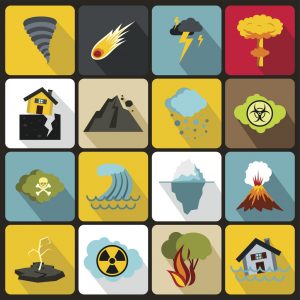 season, it seems like natural disasters have been near constant over the past year. In addition to the catastrophic toll these events take on people and communities, the toll on a business can be high. Understanding the full range and implications of your company’s risks, and putting the right coverage in place to protect against those risks, is vital. When a natural disaster strikes, having appropriate levels of property damage, business interruption and contingent business interruption insurance can be three keys to stability.
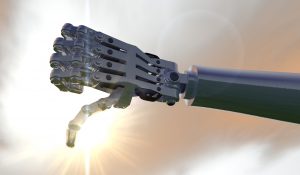 Artificial Intelligence (AI) is a hot topic in industries from manufacturing to the medical profession. Developments in the last
  Identifying the sublimits in a policy is usually straightforward since they typically appear in a list or chart in the policy’s declarations section. Sublimits generally fall into one of two types: (1) sublimits that apply to particular perils, like flood, Named Storm or earthquake; and (2) sublimits that apply to a type of damage or cost, like debris removal or preservation of property. There are many different perils and costs that a policy may sublimit, and sublimits appear in many types of policies (including, for example, sublimits for coverage for wage and hour claims under an employment liability policy). However, this blog will focus on property policy sublimits. Because many property policies include sublimits that apply to storm-related losses, they may particularly be an issue for companies damaged by hurricanes like 2017’s Harvey, Irma, Jose and Maria.