

Third-party intervention may now prove unnecessary when interpreting and enforcing contract provisions—at least this is what proponents of smart contracts believe. The overall goal, they argue, is  to provide security unattainable through traditional contract law, and to reduce additional transaction costs that come with the traditional process. Will insurance policies become the laboratory to test their thesis?
First imagined by computer scientist Nick Szabo in 1996, smart contracts are computer protocols meant to facilitate a contract’s implementation and performance. They can carry out only the specific instructions given to them, and all transactions are traceable and irreversible. Regarding functionality, experts have likened smart contracts to a vending machine; contract terms are first coded and placed within the block of a blockchain (the same technology Bitcoin uses). Once the triggering event occurs, the contract is performed consistent with all designated terms. Continuing the analogy, the individual inserting money in the vending machine sets off a chain of events, unable to be undone or halted midway. (Granted, this last part isn’t like the traditional vending machines we know.) The machine keeps the money and dispenses the item. The contract has been fully performed.
 In a previous

 Identifying the sublimits in a policy is usually straightforward since they typically appear in a list or chart in the policy’s declarations section. Sublimits generally fall into one of two types: (1) sublimits that apply to particular perils, like flood, Named Storm or earthquake; and (2) sublimits that apply to a type of damage or cost, like debris removal or preservation of property. There are many different perils and costs that a policy may sublimit, and sublimits appear in many types of policies (including, for example, sublimits for coverage for wage and hour claims under an employment liability policy). However, this blog will focus on property policy sublimits. Because many property policies include sublimits that apply to storm-related losses, they may particularly be an issue for companies damaged by hurricanes like 2017’s Harvey, Irma, Jose and Maria.


 Reviewing insurance policies is one—but still only one—of those things. In the initial stages of dealing with these kinds of events, it is natural to focus on big-picture policy items like limits, deductibles, coverages and exclusions. Only in the second pass do companies usually focus more closely on the substantive wording of various provisions. In undertaking this second (or third or fourth) pass, it is important to zero in on the exact words of the policy to avoid overlooking details that may make all the difference as to whether coverage exists or not.

 In the world of construction, whether you’re a lender, owner, contractor or subcontractor, your success hinges largely on risk management. While there’s no substitute for sound business and construction practices (such as proper preconstruction planning, proven construction means and methods, use of experienced personnel, and stringent safety programs), among the most important project risk allocation tools are the contracts governing the various parties’ rights and obligations. Within those contracts, risk is primarily allocated through indemnity and insurance requirement provisions. When preparing insurance requirements for construction-related contracts, it is crucial to ensure these pieces are well-fitted and comfortable, like a good piece of tailoring. This requires the indemnity and risk obligations associated with each project discipline to be clearly identified and addressed.
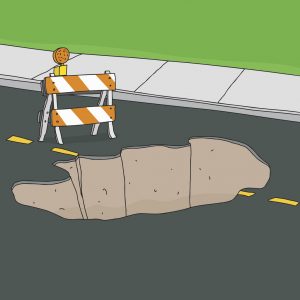 As summer comes to a close, road repair crews across the country are identifying the street repairs and potholes that must be filled before the cold weather approaches. Now is also a good time for policyholders to identify some of the “potholes” that may accompany their claims-made insurance policies and get them filled before it is too late.

 California law has long held that an insurer may not use declaratory relief or other tactics to prejudice the defense of its policyholder in an underlying lawsuit. But in their zeal to avoid coverage, and despite California Supreme Court precedent, insurers sometimes employ tactics that actually increase their policyholder’s risk of liability in the underlying action, contrary to the very purpose of liability insurance. That was the case in the coverage action between football helmet manufacturer Riddell and its liability insurers, which is pending in California state court, where certain London Market Insurers tried to require the production of extensive discovery before that substantially identical production took place in the underlying product liability action.